top of page


Project Isopoda
Solo Developer
This prototype was part of my final dissertation piece at the University of Suffolk. My dissertation explored the use of neurofeedback technology with video games, using brain activity to dynamically affect game environments and core mechanics.

Neurofeedback was first developed between the 1950-60s, as a method for recording and training brain activity in response to stimuli, as an effective therapeutic approach to reducing anxiety symptoms. Neurofeedback functions by using an EEG-reading device, which firmly presses 2-19 electrodes in standardized sections of a patient's scalp, for recording cortical brain activity.
In recent years, neurofeedback has been used with video games, as a sensory rich alternative to regular neurofeedback training. Most notably, GainPlay Studios developed "Mindlight" (2019): a serious neurofeedback video game, which effectively lowered anxiety symptoms in children through scripted events designed to elicit fear.

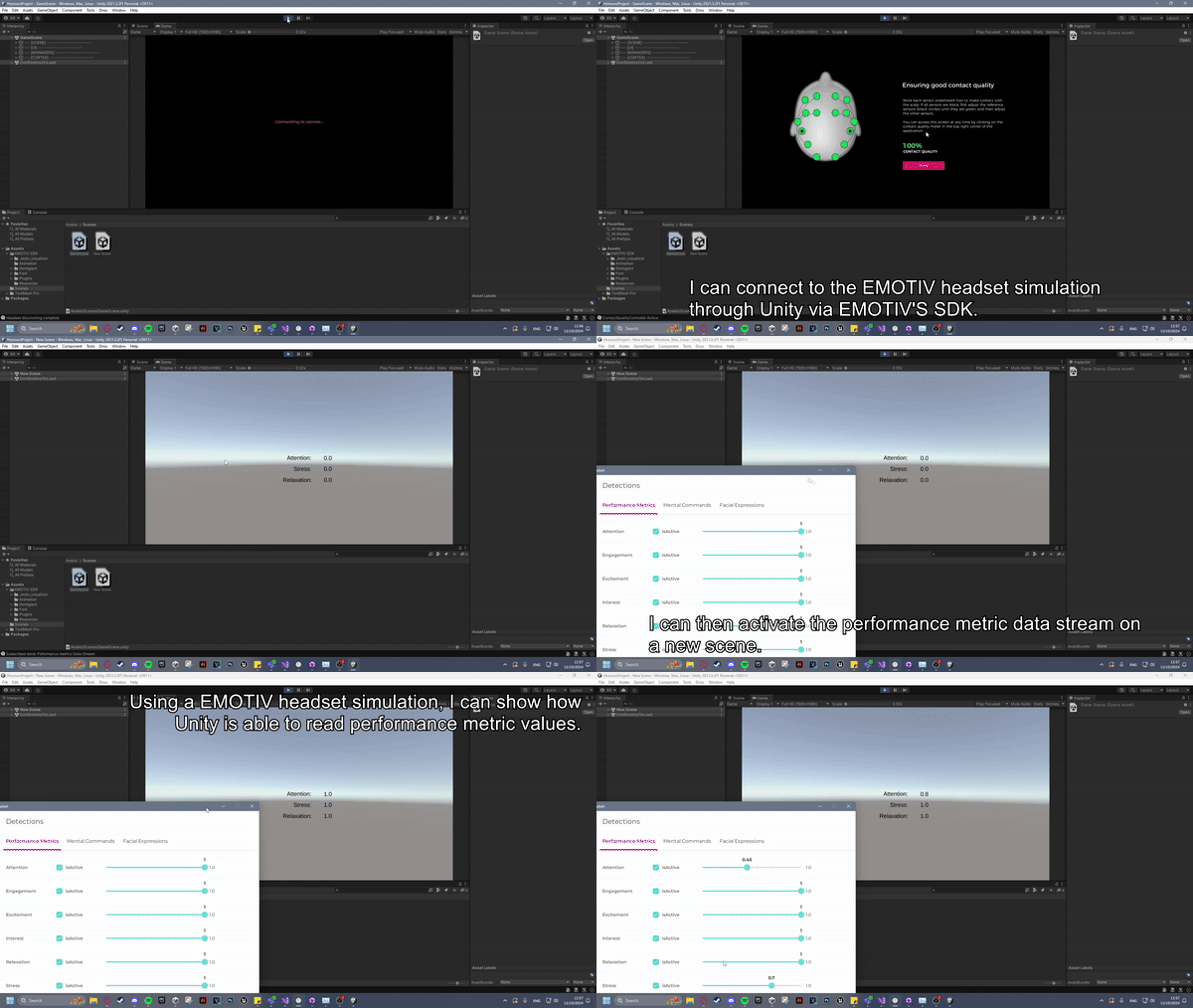
In my prototype, I used the EMOTIVE EPOC+ EEG-headset with the Unity Engine EMOTIV SDK plugin, to control game mechanics (e.g., high anxiety levels = low flashlight FOV), and effect the game environment (high anxiety levels can trigger anxiety inducing events, such as closing walls).


bottom of page